Science Is Not One Story
 Often, Western science dominates classroom content. But in reality, Indigenous peoples have long engaged in deep understanding of ecosystems, weather patterns, land stewardship, and biodiversity knowledge that is tied to place, relationship, and lived experience. Including these perspectives acknowledges that science is not a single narrative, but an important conversation among many ways of knowing.
It Supports All Learners
When students see knowledge presented in ways that connect with their lives, identities, and communities, they become more engaged. The Science First Peoples guides to help all students, including Indigenous learners, see themselves in science and who come from traditions filled with observation, experimentation, and explanation.
It Answers Calls for Reconciliation
Education in British Columbia is increasingly grounded in the First Peoples Principles of Learning, which brings respect, relationship, and shared responsibility. Integrating First Peoples’ science perspectives into classrooms not only enriches learning but also helps fulfill a broader goal of reconciliation by encouraging empathy, cultural understanding, and mutual respect.
A Future Classroom Where All Voices Matter
In my future science class, I want students to experience science and ask questions like:
-
How do local Indigenous communities understand this natural phenomenon?
-
What stories or practices might offer insight into this ecological pattern?
-
In what ways do these perspectives align with or challenge mainstream scientific ideas?
These aren’t questions that replace scientific thinking, they deepen it. They help students see science not just as content to memorize, but as a practice rooted in observation, context, community, and meaning.
By incorporating resources like the Science First Peoples guides, I hope to create a classroom where multiple ways of knowing are honoured, students feel welcome to bring their whole selves to learning, and the beauty of science is shared in all its diversity.
Reflection
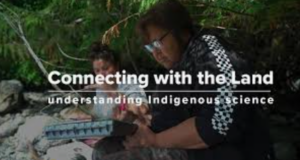
I’ve been thinking a lot about what science really is and who gets to define it. For many students, science can feel like a rigid subject filled with right answers, labs to complete, and facts to memorize. This is how I felt growing up. But science is also about relationships, observation, curiosity, and learning from the world around us. When we widen our understanding of what counts as science, we create space for more meaningful and inclusive learning. This has really expanded my learning and helped support my thoughts on it.
Including First Peoples perspectives in science matters because science is not just one way of knowing. Indigenous knowledge systems are deeply rooted in careful observation of the land, water, plants, animals, and seasonal cycles. These ways of knowing have developed over generations and are connected to place, culture, and lived experience. When we bring these perspectives into the classroom, students begin to see that science is not owned by one culture or worldview. It is a shared human practice of making sense of the world.
Bringing First Peoples perspectives into science is not an add-on. It is a meaningful shift toward a more inclusive, respectful, and holistic way of teaching and learning
Resources:
Comparing Indigenous Knowledge & Western Science | Combining Two Ways of Knowing