Teaching to Connect
Beyond Ecophobia and My Science Classroom
As a future science teacher, one of the things I find most important is how I help students feel about science and the world around them. I recently read an article called Beyond Ecophobia by David Sobel, that changed how I think about environmental education. It reminded me that the goal of teaching science shouldn’t first be to overwhelm kids with big global problems, it should be to help them love the world they live in and understand it through real experiences.
Too often, we see environmental education that jumps straight to scary global issues like rainforest destruction or oceans filling with plastic. When young children hear only about distant problems without first having a strong connection to their own place, it can create what some educators call Ecophobia, or a fear of nature and ecological issues that feels abstract, overwhelming, and disconnected from daily life.
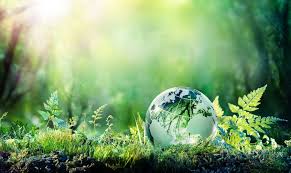 What Beyond Ecophobia suggests is simple but powerful. Children need time to bond with nature in their own backyard, schoolyard, or local green space before we ask them to solve the world’s environmental crises. By giving kids opportunities to explore, play, observe, and just be outside, we build a foundation of empathy, curiosity, and confidence. This creates a healthy relationship with the natural world that is rooted in wonder.
For example, I could take students outside to a nearby green space and have them sit quietly to observe and record what they notice, such as insects, plants, sounds, and weather patterns. From there, students could ask their own questions and begin to explore scientific concepts like life cycles, habitats, and ecosystems based on their observations.
What resonates with me is that this way of teaching doesn’t ignore environmental challenges, but instead shifts the starting point of the conversation. When students form an emotional connection with the natural world, they are more invested, more curious, and more confident that their actions matter. This reading shifted my thinking because I realized that I had previously associated environmental education with teaching problems first, as that’s how I was taught, rather than building connection. It made me reconsider how important it is to start with positive, meaningful experiences before introducing more complex global issues. This can help students feel more confident and less overwhelmed when learning about environmental issues, because they are starting from a place of familiarity and connection rather than fear.
In the BC Science curricular competencies many demonstrate curiosity and a sense of wonder, observing the natural world, and asking questions based on personal experiences in the environment.
Reflection: What This Means for My Future Classroom
 Reading Beyond Ecophobia, makes me rethink the role of science in my future classroom. I want to create learning experiences that start with wonder. I imagine lessons where students spend time outside observing life cycles, mapping their schoolyard, tracking weather patterns, or simply sitting quietly to notice birds and insects. I want to build a classroom culture where science isn’t just about facts and problems, it’s about relationship, curiosity, and care. Instead of introducing climate change with charts and warnings on the first day, I see the value in first allowing students to connect with the natural world around them, to form their own questions, and to grow their own sense of responsibility. I believe that science education can truly inspire students to flourish, not just learn. If students learn to love the natural world first, they will be far more likely to protect it later.
Observing and exploring nature is like improvising music: each student adds their own ideas, observations, and questions, creating a unique “composition” of understanding. Just as music flows, learning in nature flows naturally when students are curious and engaged.
Resources:
https://www.eenorthcarolina.org/documents/files/beyond-ecophobia/open