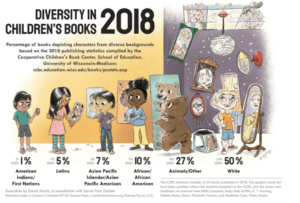
 A classroom library is more than a collection of books, it’s a reflection of whose stories are valued. When students see themselves represented in texts, they feel included. When they encounter lives different from their own, they build empathy and understanding. This is especially important for centering BIPOC, 2SLGBTQIA+, and Indigenous voices, whose stories have historically been marginalized or misrepresented in the curriculum.
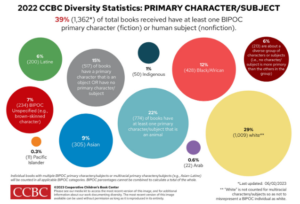 From 2018 to now, the diversity in Children’s books have improved slightly, though the Indigenous percentage is still at 1%. It has been broadened throughout the diversities.
Rudine Sims Bishop, Mirrors, Windows, and Sliding Glass Doors discusses the importance of diversity in books.
Using Bishop’s framework in the classroom:
-
Mirrors: Students see their culture, family structure, identity, or experiences reflected
-
Windows: Students learn about lives different from their own
-
Sliding Glass Doors: Students emotionally connect with characters and perspectives
Good questions to ask:
-
Who wrote this story?
- Is the author actually representing what they say they are ?
-
Whose voice is centered?
-
Does this text reinforce stereotypes or challenge them?
In the the article by Roxanne Harde on Putting First Nations Texts at the Center, a good way to pick out books for my future classroom was to think of these:
-
Prioritizing Indigenous authors and illustrators
-
Avoiding books that present Indigenous peoples as historical only
-
Looking for community connections and contemporary voices
-
Including books that show joy, resilience, and everyday life not only trauma
Building a diverse classroom library is not about meeting a requirement or checking off categories. It is about intentionally shaping a learning space where every student feels visible, respected, and safe to be themselves. In my pre education course, I took a children’s literature class where we discussed the importance of representation and inclusivity, and read texts that were chosen specifically to broaden our perspectives as future educators. That experience helped me see how powerful books can be in shaping understanding, empathy, and awareness in the classroom. When students encounter stories that reflect their own lives and the lives of others, they learn that their experiences matter and that difference is something to be understood, not feared. Thoughtfully chosen, authentic, and inclusive texts do not just support curriculum outcomes. They help build empathy, belonging, and a classroom culture rooted in care and respect.
Books I would add to my classroom
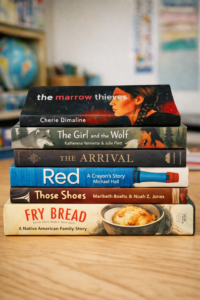
A boy desperately wants a popular pair of shoes, even though his family cannot afford them. He learns about generosity and empathy when he gives up what he wants to help a friend in need. The story explores poverty, kindness, and peer pressure in a child-friendly way. It helps students reflect on values beyond material things. We used this book in a drama class a few times and learned how to work with students, and got to work with students using it.
Red is a crayon with the wrong label, and everyone expects him to be something he is not(blue). He struggles until someone finally sees him for who he truly is. The story is a simple metaphor for identity and being accepted as yourself. It supports conversations about self-acceptance and respecting differences.
Set in the future where most people have lost the ability to dream, Indigenous peoples are hunted for their bone marrow. A group of young people flee north to survive, guided by Elders who carry culture and story. The novel explores survival, resilience, and the importance of remembering who you are. It connects dystopian fiction to real histories of colonization and intergenerational trauma. As I was in my Children’s Literature class for Pre Education, we read through this book and I really liked the message.
This book celebrates fry bread as a symbol of family, culture, and connection across many Indigenous communities. Through simple language and illustrations, it shows how food brings people together across generations. Food is very important in the Indigenous culture. We learned more about this in our Indigenous course.
This wordless graphic novel follows a man who leaves his family to start a new life in a strange new country. Through detailed illustrations, readers experience the confusion, fear, and hope of immigration. The lack of words mirrors how isolating it can feel to not understand the language or culture. It builds empathy for newcomers and refugees. In Drama, we used this book and learned how to use it with students, using pictures, and connecting with the message.
A young girl becomes lost in the woods and meets a wolf who helps guide her home. The story reflects Indigenous teachings about trusting yourself, respecting nature, and finding strength through guidance rather than fear. The illustrations and gentle storytelling challenge traditional “wolf as villain” narratives. It is a beautiful example of Indigenous storytelling and worldview. I am using this in my practicum as a comparison with Little Red Riding Hood.
Freedom to Read Week February 22-28
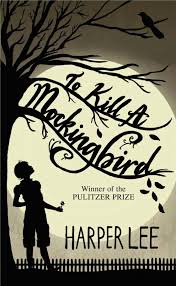 It’s an annual Canadian event held each February to celebrate the right to read, write, and publish freely, and to raise awareness about censorship. Founded in 1984, it highlights how books and magazines have sometimes been removed from schools and libraries because of controversial content. The week encourages readers, educators, and communities to engage in activities that defend intellectual freedom and promote access to diverse ideas. Events often include book displays, readings of challenged works, and discussions about the importance of free expression. One of the books that is on the list is To Kill A Mockingbird by Harper Lee. This was one of my favourite books in school. I still remember it clearly and have read it a few times since.
A Final Word…
To close, I am reminded of the song This Is Me from the Greatest Showman, which speaks to identity, courage, and being accepted for who you are. The line, “I am brave, I am bruised, I am who I’m meant to be, this is me,” reflects what a diverse classroom library can offer students. When learners see themselves represented in books and stories, they are reminded that their experiences, cultures, and identities are valid and worthy of being seen. We all are. This is the kind of message I hope to reinforce in my classroom: that every student belongs, just as they are.
Resources
Chatgpt.com (Image).
22 Diverse Book Choices for All Grade Levels | Edutopia
11 Canadian children’s books to read on Pink Shirt Day | CBC Books