Teacher Identity
My teacher identity is shaped by a combination of lived experience, professional practice, and emerging pedagogical understanding. Prior to entering the Teacher Education Program, I worked in schools as an Educational Assistant, where I supported diverse learners and observed classroom dynamics from a unique and valuable perspective. In addition, I have over twenty years of experience teaching violin, cello, beginner piano, and string bass in private settings. These experiences have provided me with a strong foundation in instructional practice, relationship-building, and differentiated learning particularly within music education. As I move toward becoming a Music teacher in schools, I am reflecting on how these experiences inform my evolving professional identity.
What does it mean to be ‘effective’?
To be an effective teacher means creating meaningful learning experiences that are responsive to students’ needs and strengths. Effectiveness involves supporting both academic and personal growth, fostering engagement, and helping students develop confidence in their learning. In music education specifically, effectiveness also includes nurturing creativity, discipline, and emotional expression while making learning accessible and inclusive for all students.
What characteristics does an effective teacher have?
An effective teacher is reflective, adaptable, and committed to continuous learning. From my experience as an EA, I have seen how patience, empathy, and consistency contribute to a positive learning environment especially for students who require additional support. Effective teachers communicate clearly, set high but achievable expectations, and build trusting relationships with students. In my private teaching practice, I learned the importance of flexibility, as no two students learn music in the same way. Meeting the students’ where they are at. These qualities, along with strong classroom management, collaboration skills, and cultural responsiveness are essential to effective teaching.
What kind of teacher do I want to become?
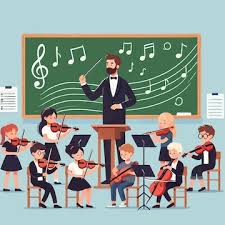
I want to become a Music teacher who is supportive, inclusive, and inspiring. I aim to create a classroom where students feel safe to take risks, make mistakes, and express themselves musically. I want my students to see music as both a skill and a form of personal expression, regardless of their prior experience or perceived ability. Drawing on my background in instrumental instruction, I hope to help students develop both technical skills and a lifelong appreciation for music. I also want to be a teacher who advocates for the value of arts education within schools and communities.
What do I need to learn to become an effective teacher?
While my experience has given me confidence in teaching music, I recognize that effective classroom teaching requires additional skills and knowledge. I need to continue developing my understanding of curriculum design, assessment practices, classroom management, and inclusive education. Learning how to adapt instruction for diverse learners, including those with exceptionalities, is especially important to me given my background as an EA. I also need to deepen my understanding of educational theory, Indigenous perspectives, practices that address diverse needs and promote equal opportunities for learning to ensure my instruction is responsive and respectful.
What are my beliefs about teaching (my teaching philosophy)?
My teaching philosophy is rooted in the belief that all students are capable of learning and deserve respect, encouragement, and meaningful opportunities to succeed. I believe learning is most effective when students feel safe, valued, and supported, and when instruction is responsive to their individual strengths, needs, and backgrounds. Meeting the students’ where they are at. Building strong, trusting relationships is central to my approach, as I believe relationships form the foundation for meaningful learning.
I also believe that teaching carries a responsibility to promote fairness, inclusion, and respect for diversity. This includes honouring and integrating Indigenous perspectives as an essential part of teaching and learning. Incorporating Indigenous ways of knowing, being, and learning supports reconciliation and helps students develop a more accurate and respectful understanding of history and culture. In music education, this means valuing Indigenous voices, musical traditions, and cultural contexts, and approaching them with respect. I believe that integrating these perspectives enriches learning for all students and contributes to a more inclusive classroom environment.
Overall, I view the role of the teacher as a guide. It’s someone who provides structure, encouragement, and high expectations while fostering curiosity, creativity, and independence. I believe that teaching is a relational and reflective practice, and that ongoing learning is essential to becoming an effective and responsive educator.
Worldview
Worldview and Teacher Identity Reflection
As I continue to develop my teacher identity, it is important to reflect on my worldview and how it influences the way I understand teaching, learning, and relationships in the classroom. A teacher’s worldview shapes how they interpret curriculum, interact with students, and design learning experiences. By becoming aware of my own worldview, I can work toward teaching in ways that are reflective, inclusive, and responsive to the diverse learners I will teach.
What Is a Worldview?
A worldview is the set of beliefs, values, assumptions, and perspectives through which an individual understands and interprets the world. It is shaped by lived experiences, culture, education, family, and social contexts. A worldview influences how people define knowledge, success, relationships, and responsibility, and it often operates unconsciously. In education, a teacher’s worldview can strongly affect classroom practices, expectations of students, and approaches to teaching and learning.
How Would You Describe Your Own Worldview?
My worldview is grounded in the belief that learning is relational, holistic, and deeply connected to personal experience. I value collaboration, empathy, and respect, and I believe that education should support both academic growth and personal development. My experiences as an Educational Assistant and as a private music teacher have reinforced my belief that learners thrive when they feel seen, supported, and encouraged. I also believe that creativity, particularly through music is a powerful way for students to express identity, emotion, and understanding.
While thinking about your own worldview, also consider the impacts of your ethnocultural, socioeconomic, geopolitical, and spiritual identities
My worldview has been shaped by my ethnocultural background, socioeconomic experiences, and exposure to formal education systems that are largely rooted in Western perspectives. When I went to school in the 1980’s and 1990’s, there was no Indigenous Perspectives taught. So I wasn’t aware that there was other perspectives. My worldview was very narrow and as I got older my experiences working with students from diverse backgrounds have made me more aware of how access, privilege, and systemic barriers impact learning. While my worldview may reflect Western educational values such as structure, assessment, and individual achievement, my work as an EA has shown me the importance of flexibility, advocacy, and understanding students within their broader social and cultural contexts. Spiritually, I place importance on respect, connection, and meaning, which shapes my belief that education should recognize and value diverse ways of knowing and being.
Why, as a teacher, is it important to be aware of your own worldview, as well as those of your students and school community?
It is essential for teachers to be aware of their own worldview, as well as those of their students and school communities, because assumptions can unintentionally marginalize or disadvantage learners. Awareness allows teachers to recognize bias, challenge thinking, and avoid viewing students through a single lens. Understanding diverse worldviews helps teachers build inclusive learning environments where students’ identities, cultures, and experiences are valued and respected.
What can you do, as a teacher, to ensure that your worldview does not impede the success of the diversity of learners in your classroom?
As a teacher, I can ensure that my worldview does not impede student success by engaging in ongoing reflection, listening to students and families, and remaining open to perspectives different from my own. This includes using inclusive teaching practices, differentiating instruction, and being mindful of whose voices and knowledge are represented in the curriculum. In music education, this means moving beyond a solely Western canon and including diverse musical traditions, while teaching students to engage with all music respectfully and thoughtfully.
When do you consider it to be necessary to challenge the western worldview as it impacts the K-12 education system?
It is necessary to challenge the Western worldview in K–12 education when it limits ways of knowing, prioritizes one form of knowledge over others, or reinforces inequities. A solely Western approach can marginalize Indigenous knowledge systems and other cultural perspectives. Challenging this worldview allows for more holistic, relational, and community-based approaches to learning. In music education, this includes recognizing oral traditions, collective learning, and the cultural significance of music beyond performance and notation.
What aspects of the BC Curriculum reinforce or challenge a western worldview?


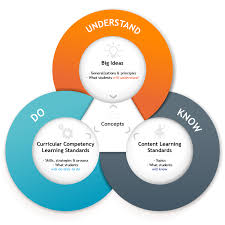
The BC Curriculum both reinforces and challenges a Western worldview. While it maintains traditional academic structures, assessment practices, and prescribed learning outcomes rooted in Western education systems, it also places strong emphasis on core competencies such as communication, creative thinking, and personal and social responsibility. These competencies move beyond a purely content-driven model of learning. The curriculum’s integration of Indigenous perspectives, inquiry-based learning, and flexible pathways challenges a dominant Western worldview by valuing relational learning, multiple ways of knowing, and student voice. As someone who is going to school to become a teacher, particularly a music teacher, this approach aligns with my belief that learning is holistic, experiential, and deeply connected to culture and community. Music education, in particular, benefits from these principles, as it encourages collaboration, emotional expression, and learning through practice rather than memorization alone. The BC Curriculum supports my goal of becoming an inclusive, student-centered educator who values diverse perspectives and ways of learning.
Teacher Education Program Competencies
Teacher Education Program Competency Guide | UVIC Teacher Education
Carolyn,
Thank you for your deeply reflective post! You have answered the questions with much thought and personal experience. I appreciate how you have woven the aspect of your passion for music into your responses. Your experience as an EA will be an asset to navigating your journey as a teacher!
Thank you,
Judi